Kremlin Endorses Three-Way Ukraine Peace Talks for November
Moscow has agreed to resume negotiations with Washington and Kyiv, aiming to restart diplomatic efforts that stalled earlier this year.
By Emily Carter ·
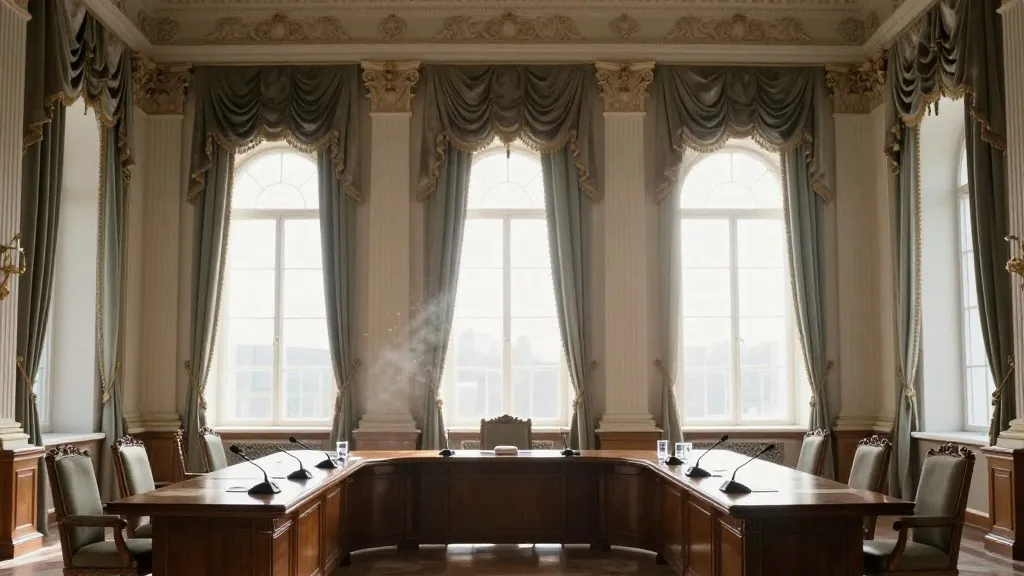
Russia has agreed to restart three-way negotiations with the United States and Ukraine, setting the stage for the first such diplomatic engagement since February. Kremlin officials confirmed that President Vladimir Putin has accepted, in principle, to resume talks after November 10. This development marks a significant shift in the diplomatic landscape, potentially opening a new channel for resolving the conflict that has persisted for more than four and a half years.
Yuri Ushakov, the Russian foreign affairs adviser, announced the decision following a three-hour meeting in St. Petersburg between Putin and U.S. envoy Steve Witkoff. The discussions centered on establishing a post-conflict security framework for both nations. Witkoff and Jared Kushner, who joined via video, proposed a technical-level meeting involving all three parties. They also outlined progress from earlier consultations with Ukrainian President Volodymyr Zelenskyy and European leaders in Oslo.
Zelenskyy expressed support for the rapid resumption of talks, stating in an audio message that the agenda is clear: ending the war and preparing for a leaders-level summit. However, the Ukrainian leader remained cautiously optimistic, noting that previous rounds of talks had been canceled without result. "We’ll see what happens this time," he said, shortly after a missile alert sounded over Kyiv.
Despite the progress, caveats remain regarding the substance of the proposals. Ushakov indicated that Moscow is not fully satisfied with the plans emerging from Oslo, describing them as containing little real value, though he characterized them as a step in the right direction. The Kremlin previously noted that early this year's negotiations in Abu Dhabi and Geneva yielded little beyond prisoner exchanges, with both sides maintaining their core demands.
The diplomatic push coincides with ongoing military pressure. Overnight strikes on Kyiv and other cities killed five people and injured at least 23. Russian forces targeted energy infrastructure and a bulk carrier headed to Odesa, while intercepting hundreds of Ukrainian drones. In a related development, Russia released a retired American teacher held on mercenary charges, a move Witkoff described as a goodwill gesture following President Donald Trump's request.
U.S. President Trump has intensified pressure on Kyiv to reach an agreement, telling reporters at the White House that the U.S. has provided substantial aid without adequate return. Meanwhile, Norwegian Prime Minister Jonas Gahr Støre suggested that a new diplomatic phase may be emerging, with talks likely occurring in mid-November. He noted that while Ukraine may not formally accept the current front line as a permanent border, practical accommodation could be possible.
Additional discussions in St. Petersburg touched on restoring U.S.-Russia economic ties and a potential trilateral summit with China later next month. Putin stated his readiness to consider these economic prospects and to discuss the Iran conflict, suggesting Moscow would use its relationship with Tehran to aid peace efforts.
Source: Atlanta News First